Exploring Material Options for Effective Airflow Systems
When it comes to heating, ventilation, and air conditioning systems, the material used in ductwork plays a crucial role. Choosing the right materials impacts efficiency, durability, and cost. Different materials offer unique benefits and challenges. Understanding these options can help you make informed decisions for your building’s needs.
The Importance of Material Choice in Ducts
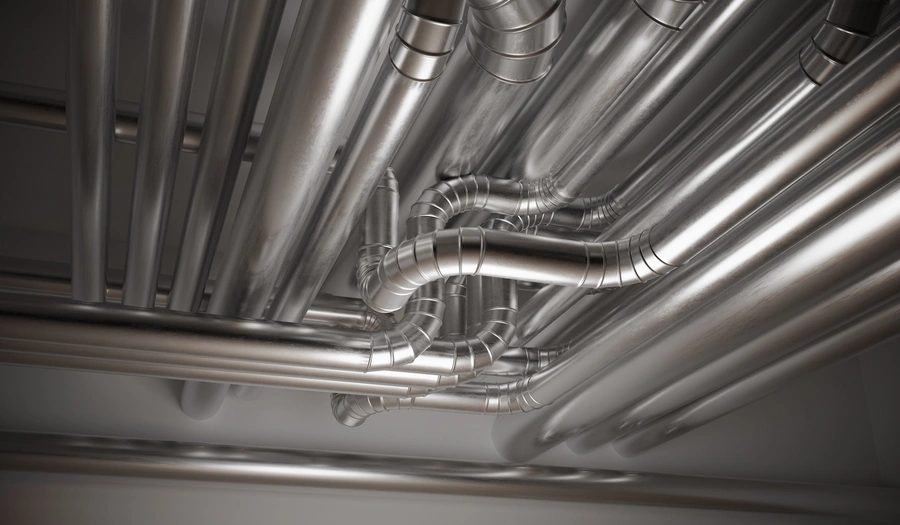
Choosing proper materials is vital for optimal performance and longevity of your HVAC ductwork. The choice affects energy consumption and indoor air quality. Selecting the best material ensures efficient airflow and minimizes maintenance issues over time. It also helps manage noise levels and reduces potential fire hazards.
Commonly Used Metals in Duct Construction
Metal ducts are a popular choice due to their strength and reliability. Galvanized steel is often preferred for its corrosion resistance. Aluminum, on the other hand, is lightweight and easy to install, though it may not be as durable as steel. Both provide excellent thermal conductivity, keeping temperature losses low.
Flexible Ducts: Pros and Cons
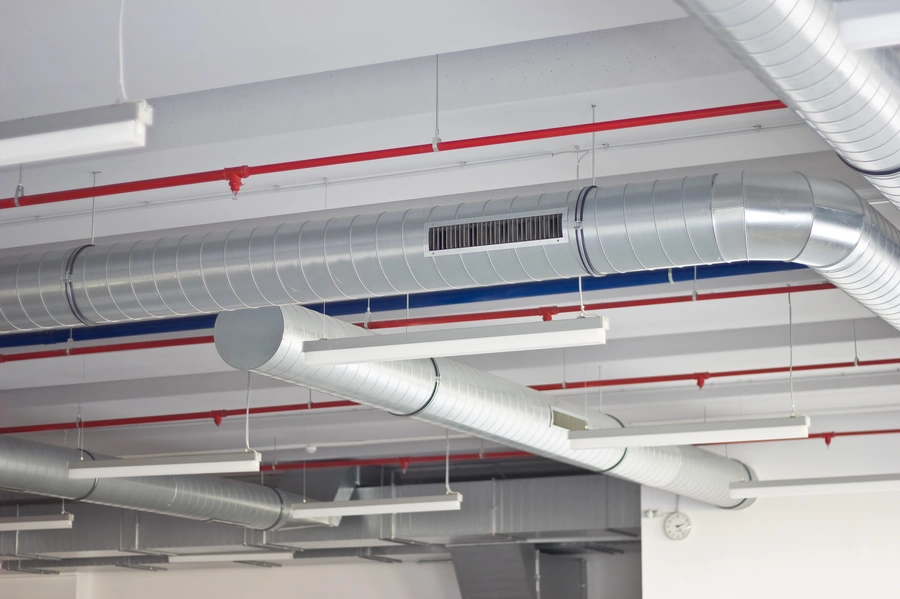
Flexible ducts are made from plastic and metal combinations, offering versatility in installation. They are ideal for tight spaces or complex layouts where rigid ducts might not fit. However, they may not last as long as metal ducts and can suffer damage if not handled carefully during installation.
- Pro: Easy installation in narrow spaces
- Con: Can be prone to punctures
- Pro: Lightweight and easier to handle
- Con: May require more frequent inspections
A Closer Look at Fiberglass Ducts
Fiberglass-lined ducts provide excellent insulation and noise absorption. They are commonly used in commercial settings where sound reduction is important. Despite their benefits, fiberglass ducts can deteriorate over time and pose health risks if fibers become airborne.
PVC Ducts in Specialized Applications
PVC ducts are typically used in corrosive environments like chemical processing plants. While they offer great chemical resistance, their use is generally limited to specific industrial applications. PVC is less common in residential settings due to higher costs and installation complexity.
Selecting the Best Option for Your Needs
Your choice depends on several factors such as budget, environmental conditions, and specific requirements of your building. Consider all aspects including initial costs, longevity, maintenance needs, and energy efficiency. Consulting with experts can ensure you select the most appropriate solution for your system.
- Evaluate your building’s layout and space limitations
- Consider the climate and potential exposure to moisture
- Analyze long-term maintenance requirements
- Balance initial investment versus long-term savings
- Seek professional advice when needed
Taking Action With Professional Guidance
If you’re considering an upgrade or new installation, contact us today at (971) 368-7767. Our team at River City Air-Conditioning specializes in providing tailored solutions that meet diverse needs. Based in Portland, OR, we are committed to delivering exceptional service and expertise in ductwork materials selection.